Lakes · 3 min read
How to read a reservoir’s percent full
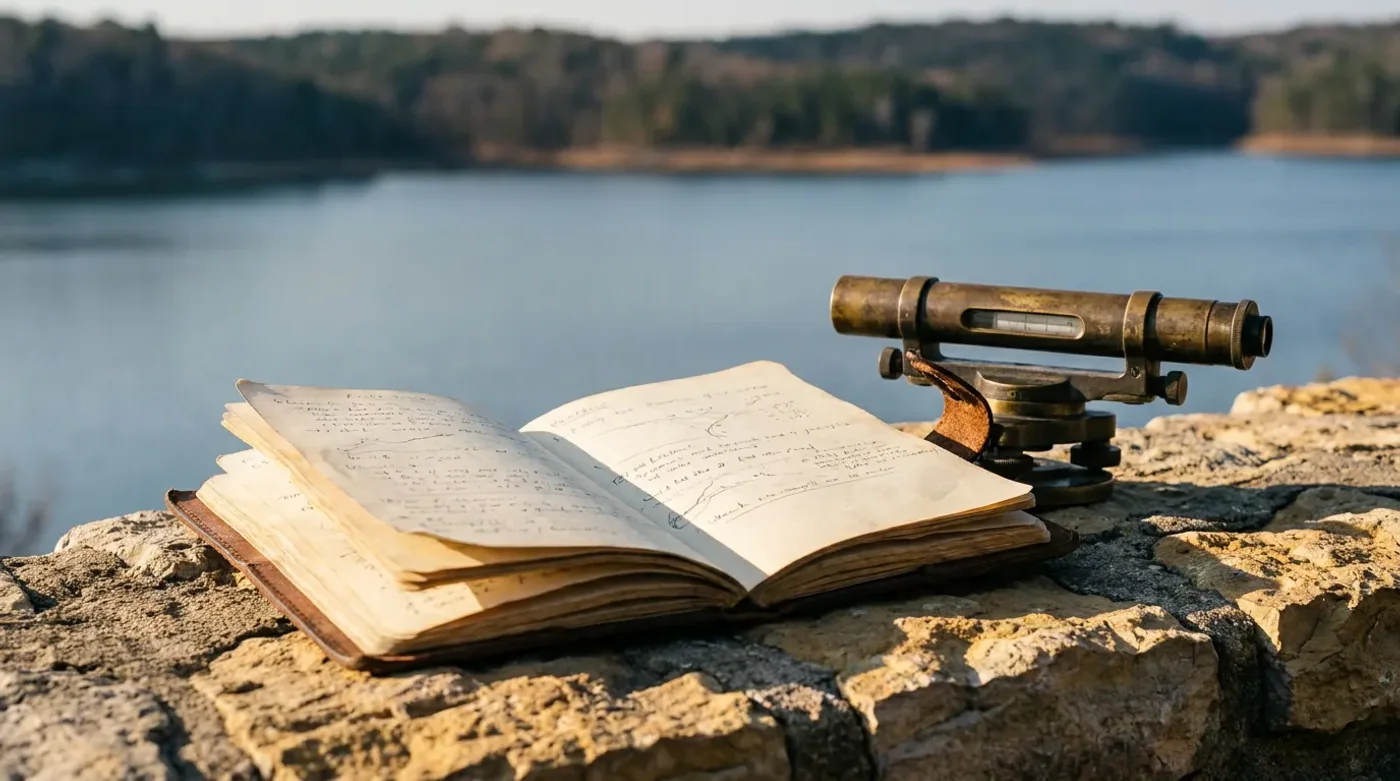
Storage and elevation answer different questions. Use both to understand a reservoir.
Read the guideStories behind the readings. Field guides for everyday questions. Useful things to take with you.
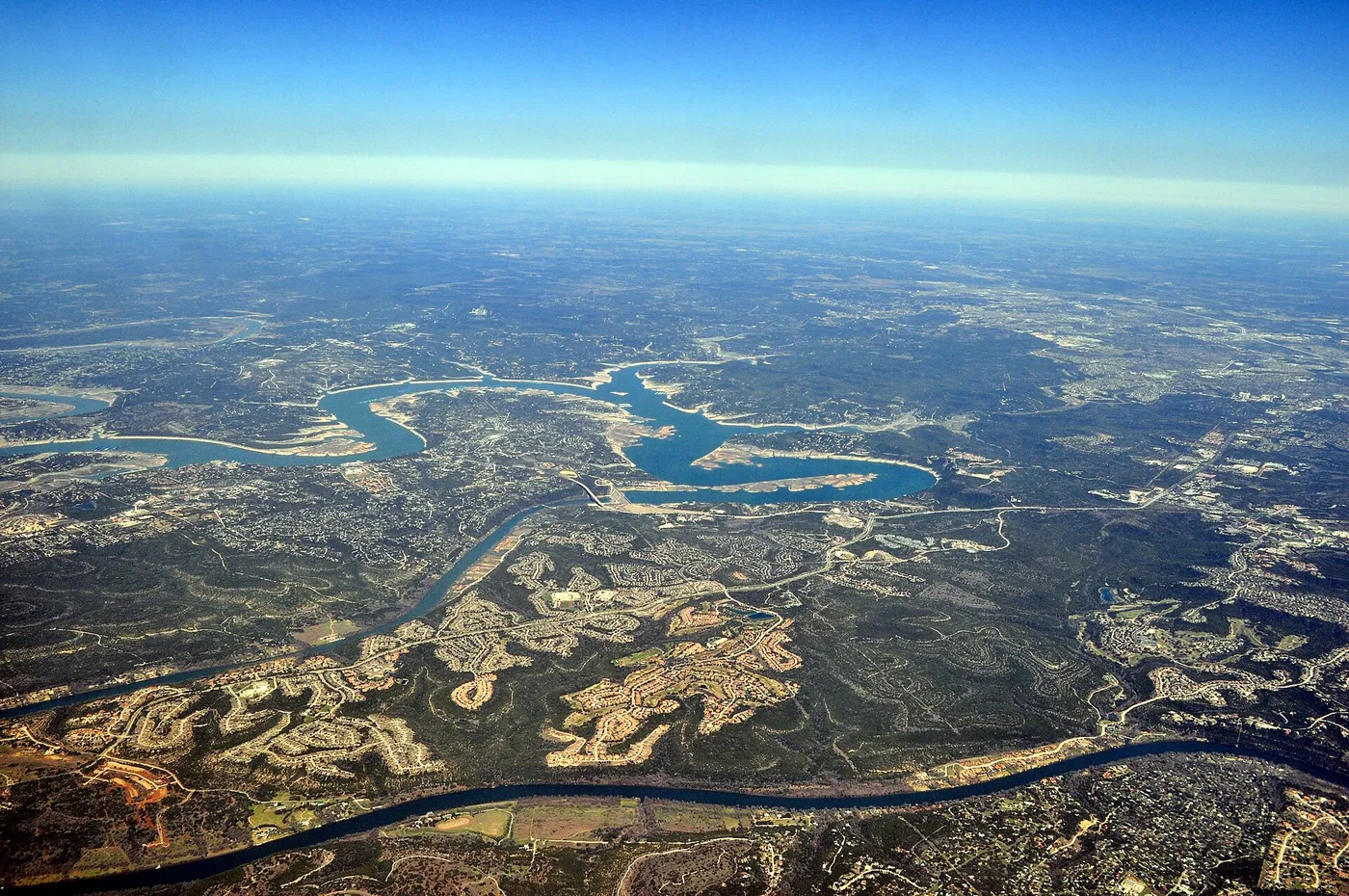
A dated look at available September lake readings, plus the coverage and limits of seven NOAA tide references.
Published 2026-09-28 · Partial September observations; upcoming tide predictions. Human editorial review pending.
Open the notebook →Source-linked explanations across water, home, work and weather. Review status is shown on each guide.
14 field guides
Storage and elevation answer different questions. Use both to understand a reservoir.
Read the guideFollow a dated TWDB reading from the headline number to its 30-day chart.
Read the guideA station, a time zone and a datum make the table meaningful.
Read the guideFollow the water connection and station coverage before trusting a nearby name.
Read the guideThree different quantities that should never be read as interchangeable.
Read the guideBegin with your river reach and confirm the station on the source map.
Read the guideA county-level potential category cannot measure the air inside a home.
Read the guideThe lookup uses Census geography, with boundaries and relationships that need explanation.
Read the guideChoose the correct table before comparing grade and step.
Read the guideTrace a calculator result to the exact OPM row and column.
Read the guideUse the map to find the county, then read the current issuing authority’s information.
Read the guideWeather conditions and legal restrictions answer different questions.
Read the guideChoose the dataset that matches the time window and the question.
Read the guideA nearby reported event is context, not proof of damage at an address.
Read the guide
Take a tide worksheet with you, check a source, or download the evidence behind a research note.
Find a useful resource →Follow new published resources through RSS, or save the lakes, beaches and gauges you check most.